Valleseco The Greenest Side of Gran Canaria

Valleseco The Greenest Side of Gran Canaria

Valleseco: The Greenest Side of Gran Canaria

Where mist, apples and cider tell a different story of the island

Gran Canaria is often imagined through sunshine, ocean views and long days by the coast. And yes, its beaches, together with the spring-like weather enjoyed all year round in the south of the island, are part of what makes Gran Canaria so attractive. But travel inland and the island begins to tell a very different story.

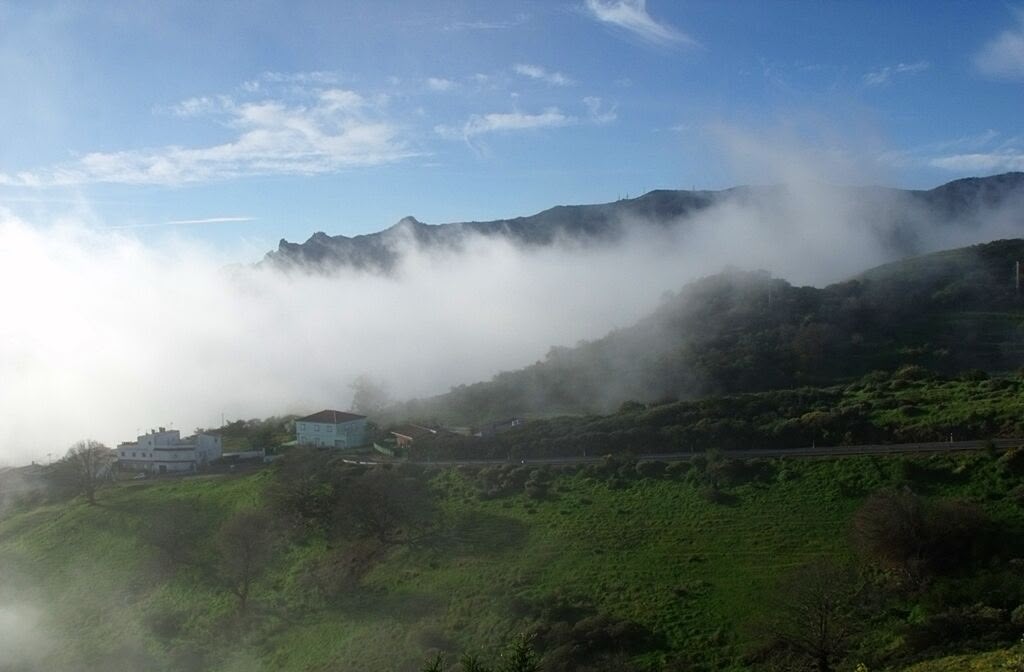
Welcome to Valleseco — literally, “dry valley” — a name that feels almost ironic once you arrive. Here, the trade winds and the sea of clouds bring moisture to the mountains, wrapping the landscape in mist and creating a cool, humid environment that can feel surprisingly cold.

But that humidity does much more than change the way Valleseco feels. It has shaped its landscape, influenced what grows here and become part of the identity of the municipality itself.

And perhaps the best way to understand that story is through something rather unexpected in Gran Canaria: an apple.

Valleseco (“Dry Valley”): a name that tells the wrong story

The name Valleseco – literally “Dry Valley” – can be misleading. Far from describing the climate of the municipality, it originally referred to the central valley, which had fewer springs and water sources than the neighbouring Barranco de la Virgen and Madrelagua. As the main settlement developed there, the name eventually came to identify the entire municipality.

Barranco is the Spanish word commonly used in the Canary Islands for a ravine, one of the defining features of the islands’ volcanic landscape.

The irony becomes obvious as soon as you explore the area. Located on the northern slopes of Gran Canaria and directly influenced by the trade winds, Valleseco is characterised by high humidity, frequent mist and the presence of the sea of clouds.

Water has shaped much more than its landscape. Springs, irrigation channels, fountains, old washing places and mills are part of Valleseco’s rural heritage, revealing how closely everyday life here has always been connected to this precious resource.

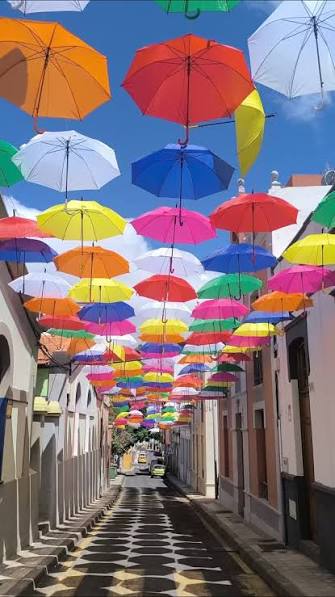
Even today, the relationship between Valleseco and its climate is impossible to miss. In the main square, a sculpture of a couple under an umbrella offers perhaps the simplest clue: in this supposedly “dry valley”, humidity is part of the story.

When Gran Canaria weather changes the landscape

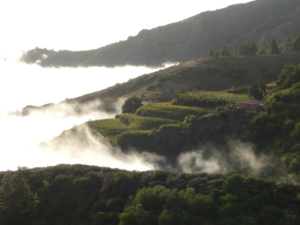
To understand Valleseco, you first need to look up. Much of what happens here begins with the trade winds, which carry moist Atlantic air towards the northern and north-eastern slopes of Gran Canaria. As that air rises over the mountains, it cools and condenses, creating one of the island’s most characteristic natural phenomena: the sea of clouds.

Valleseco sits directly within this humid influence. At certain elevations, clouds frequently meet the mountains themselves, surrounding vegetation in tiny droplets of water. This phenomenon, known as horizontal precipitation, allows plants and trees to capture moisture directly from the clouds, adding water to the ecosystem even when it is not actually raining.

This is also why talking about Gran Canaria weather using only temperatures can be misleading. Valleseco can feel remarkably cold compared with the southern areas of the island. Humidity, cloud cover and wind completely change how the temperature is experienced — something you understand very quickly when you arrive without the right jacket.

But the most interesting consequence is not what the weather feels like. It is what that weather makes possible.

Because this combination of altitude and humidity has helped create the conditions for one of Valleseco’s most characteristic crops to thrive: the Reineta apple.

Average temperatures in Valleseco range from around 10.2°C in January to 20.2°C in August. But remember: with the humidity, cloud cover and trade winds, it can often feel considerably cooler than the thermometer suggests.
From humidity to Reineta apples

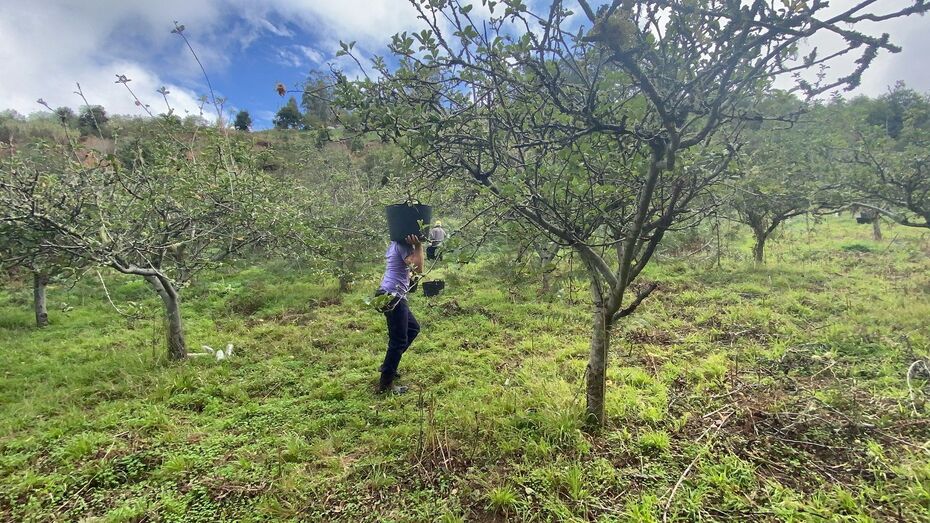
The Reineta apple did not become one of Valleseco’s symbols by accident. Its story here goes back to the 19th century, when local authorities began encouraging the planting of fruit trees as a way of bringing uncultivated land back into production and helping to protect the soil from erosion.

Among those trees were Reineta apple trees. They found exactly what they needed in Valleseco: altitude, moisture and cooler conditions. What began as an agricultural initiative gradually became part of the municipality’s landscape and identity.

Today, Valleseco has more than 24,000 registered apple trees, and the Reineta remains its most emblematic variety. Harvest time, usually towards the end of summer, transforms the apple from a familiar part of the landscape into the centre of local celebrations, gastronomy and production.

But the story did not stop with growing apples.

At some point, someone looked at all that fruit and asked the question that changes the value of a resource:

What else can we make from it?

And Valleseco found a very good answer: cider.
From apples to Gran Canaria cider

For years, apples were simply part of Valleseco’s agricultural landscape. Today, they are also behind one of the most interesting transformations taking place in the municipality: the development of a genuine Gran Canaria cider culture.

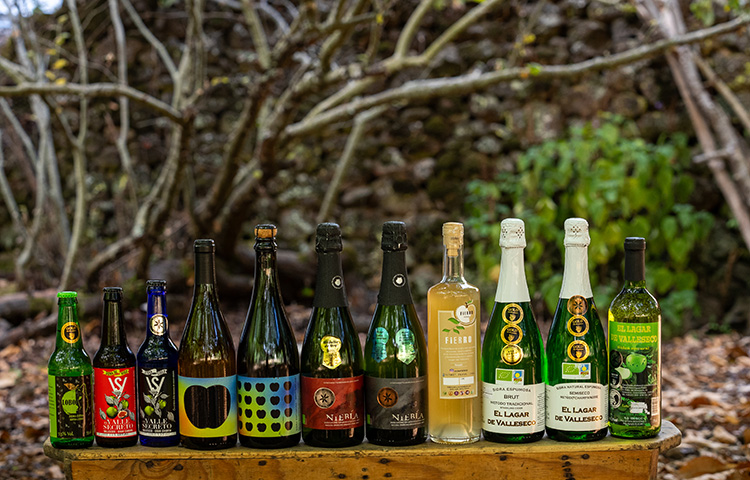
Local producers work primarily with Reineta apples, a variety whose characteristic acidity makes it particularly well suited to cider making. And there is no single interpretation. Natural, semi-dry and sparkling ciders are now being produced in Valleseco, demonstrating just how much can emerge from one local crop when producers begin experimenting with it.

What is particularly remarkable is how quickly these mountain ciders have moved beyond the island.

At the 2025 Sagardo Forum International Cider Competition, five producers from Valleseco — El Lagar de Valleseco, Fierro, Tuscany, Niebla and Sendero del Valle — collected 13 medals between them. The competition brought together 262 ciders from 19 countries, placing bottles made from apples grown in the mountains of Gran Canaria alongside ciders from some of the world’s established producing regions.

The international recognition continued at SISGA 2025, the International Hall of Gala Ciders held in Asturias, where 236 ciders from 63 cider houses and 18 countries competed. Producers from Valleseco returned home with another five awards across different categories.

And the list does not end there. At the Catavinum World Wine & Spirits Competition 2025, El Lagar de Valleseco received two gold and two silver medals in an international competition evaluating almost 3,000 wines and beverages from more than 20 countries.

There is another part of this story that deserves attention: organic cider.

Niebla was recognised as Best Organic Cider in the Canary Islands in both 2024 and 2025 at the official Agrocanarias cider competition. Its Etiqueta Negra was also named Best Cider in the Canary Islands in 2024. In 2026, the award for Best Organic Cider went to El Lagar de Valleseco, while Tuscany Brut received the Grand Gold Medal and Best Cider in the Canary Islands 2026.

These awards matter for more than the medals themselves. They show how a crop introduced to Valleseco in the nineteenth century has evolved into a small but increasingly sophisticated local industry, with different producers, styles and approaches — including organic production — capable of competing far beyond Gran Canaria.

And yet, despite that international recognition, the story remains intensely local.

The apples grow in these humid mountain landscapes, local producers transform them here, and some cider makers even use natural caves as spaces for fermentation and ageing. The cider is therefore not disconnected from the place that produces it. It is another expression of it.

So when you drink a cider from Valleseco, you are tasting much more than fermented apple juice. Behind it are the trade winds, the sea of clouds, the humidity captured by the mountains, the Reineta trees, generations of agricultural knowledge and a new generation of producers finding contemporary value in a resource that was already there.

The weather became an apple. And the apple became cider.

Discover more about Valleseco’s cider culture on the official Valleseco website.
Things to do in Valleseco

Valleseco is not a place you visit to tick off a long list of attractions. It is a municipality to walk through, taste and understand slowly.

A good starting point is the village itself. Around the historic centre you will find the Church of San Vicente Ferrer, home to a remarkable 18th-century German organ, and the sculpture Pareja con paraguas — the couple under an umbrella that seems almost like Valleseco’s unofficial answer to its own name.

From there, the landscape takes over.

Much of the municipality lies within the Doramas Rural Park, one of the places where you can begin to imagine the great laurel forest that once occupied a much larger part of northern Gran Canaria.

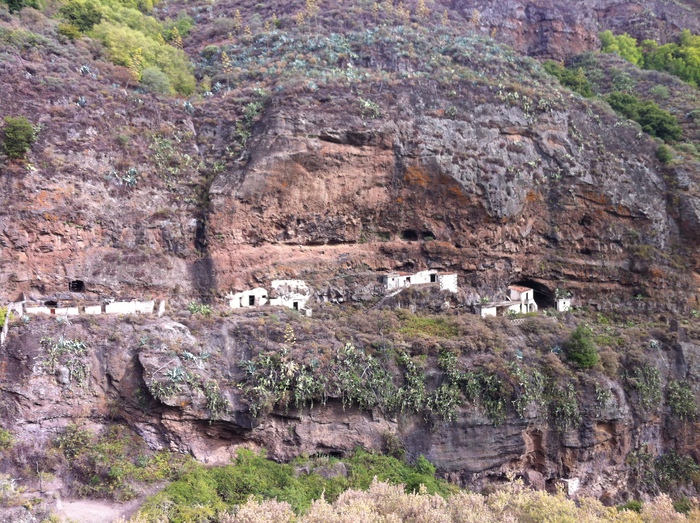
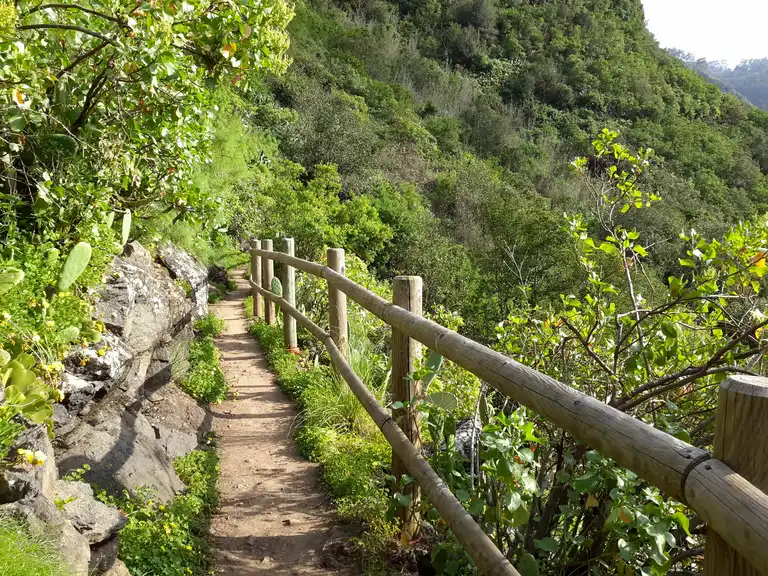
For hikers, one particularly interesting area is the Barranco del Andén and the route towards Valsendero. The trail passes through extraordinarily lush vegetation, with laurel forest, endemic species, old water galleries, cave houses and sections where water continues to run through the ravine. It is precisely the kind of walk that makes the climate we described earlier suddenly visible: humidity is no longer an abstract weather statistic; you can see what it has created around you.

The municipality also recommends walks around La Laguna and the ascent towards Pico de Osorio, where reforestation with native species such as fayas, heathers and laurels is helping to recover part of the vegetation associated with the ancient Doramas forest. Explore Valleseco’s official places of interest

There is an older layer to this landscape too.

Valleseco’s archaeological heritage is modest compared with some other parts of Gran Canaria, but several archaeological sites have been inventoried, including cave complexes around Barranco del Andén, El Maipéz and rock engravings at Caserón. Some caves may have been used by the island’s pre-Hispanic inhabitants, although the municipality itself points out that material evidence does not currently allow that origin to be confirmed in every case. Rather than a reconstructed archaeological attraction, what survives here is a much less obvious archaeological landscape, subsequently reused for housing, livestock and rural life.

And after walking, Valleseco should definitely be tasted.

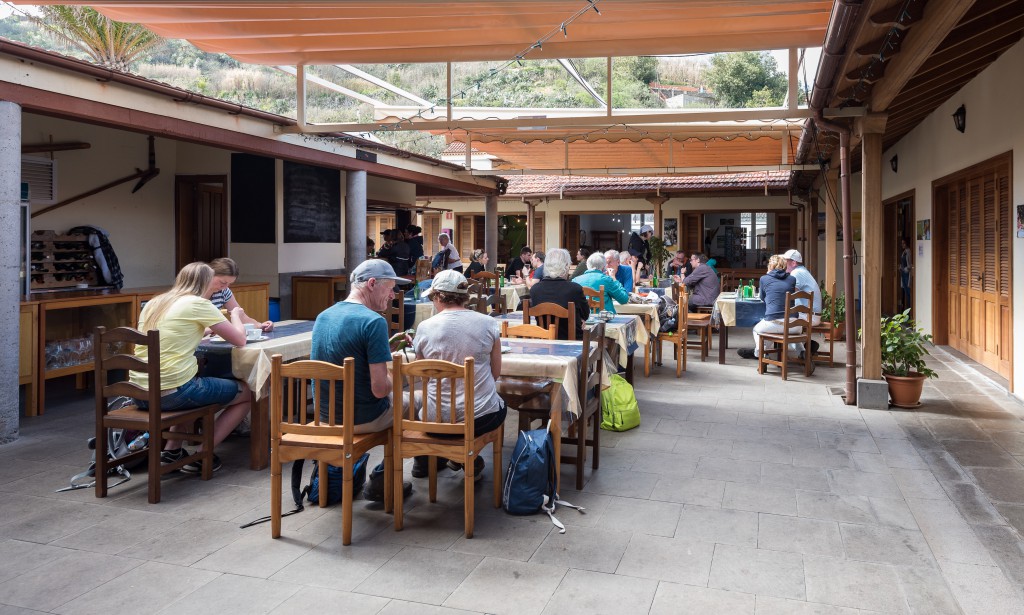
One of the best stops is Mercado Ecológico de Valleseco, also known as EcoValles. This is not simply somewhere to browse stalls. Visitors can buy certified organic products directly — fruit and vegetables, bread, pastries, wine, oils, jams, eggs and other locally produced foods — and there is also a café-terrace where food is prepared using ingredients from the market itself.

It is worth planning this stop rather than simply turning up. The market operates mainly around the weekend, and opening times can change, so check the official information before travelling specifically to visit it. Check the official EcoValles market information

And, of course, look for Valleseco cider.

After learning how the trade winds, humidity and Reineta apple are connected, tasting the finished product completes the story. The municipality itself has become an important centre for cider culture in the Canary Islands.

If you visit during apple harvest season, these connections become even easier to see. Apples and cider move from orchards into markets, restaurants, celebrations and local gastronomy. Landscape becomes agriculture; agriculture becomes food and drink; and those products become part of the social and cultural life of the municipality.

That may be the best way to experience Valleseco: not by looking for one spectacular attraction, but by following the connections between its landscape, its history, its people and what they produce.
Another side of Gran Canaria

Valleseco tells a story that is easy to miss if we understand Gran Canaria only through its coastline.

Here, the weather creates the landscape. The landscape determines what can grow. Agriculture becomes part of local identity, and something as simple as an apple can eventually become an internationally awarded cider.

The trade winds, the sea of clouds, the old water channels, the laurel forest, the Reineta orchards, the cider makers, the ecological market and the people who continue working this land are all pieces of the same place. Together, they create the Valleseco experience.

And perhaps that is what makes travelling around Gran Canaria so fascinating. We like to call it the endless island: despite being surrounded by water, it never seems to stop revealing something new with every visit.

You can leave the spring-like weather of the southern coast behind and, not long afterwards, find yourself walking beneath clouds, surrounded by vegetation, looking for a jacket and wondering how an island famous for sunshine led you to a glass of mountain cider.

Valleseco may mean “Dry Valley”.

But by the time you leave, you will understand why its name only tells the beginning of the story. And Gran Canaria is that endless island.

Experience Valleseco with us!

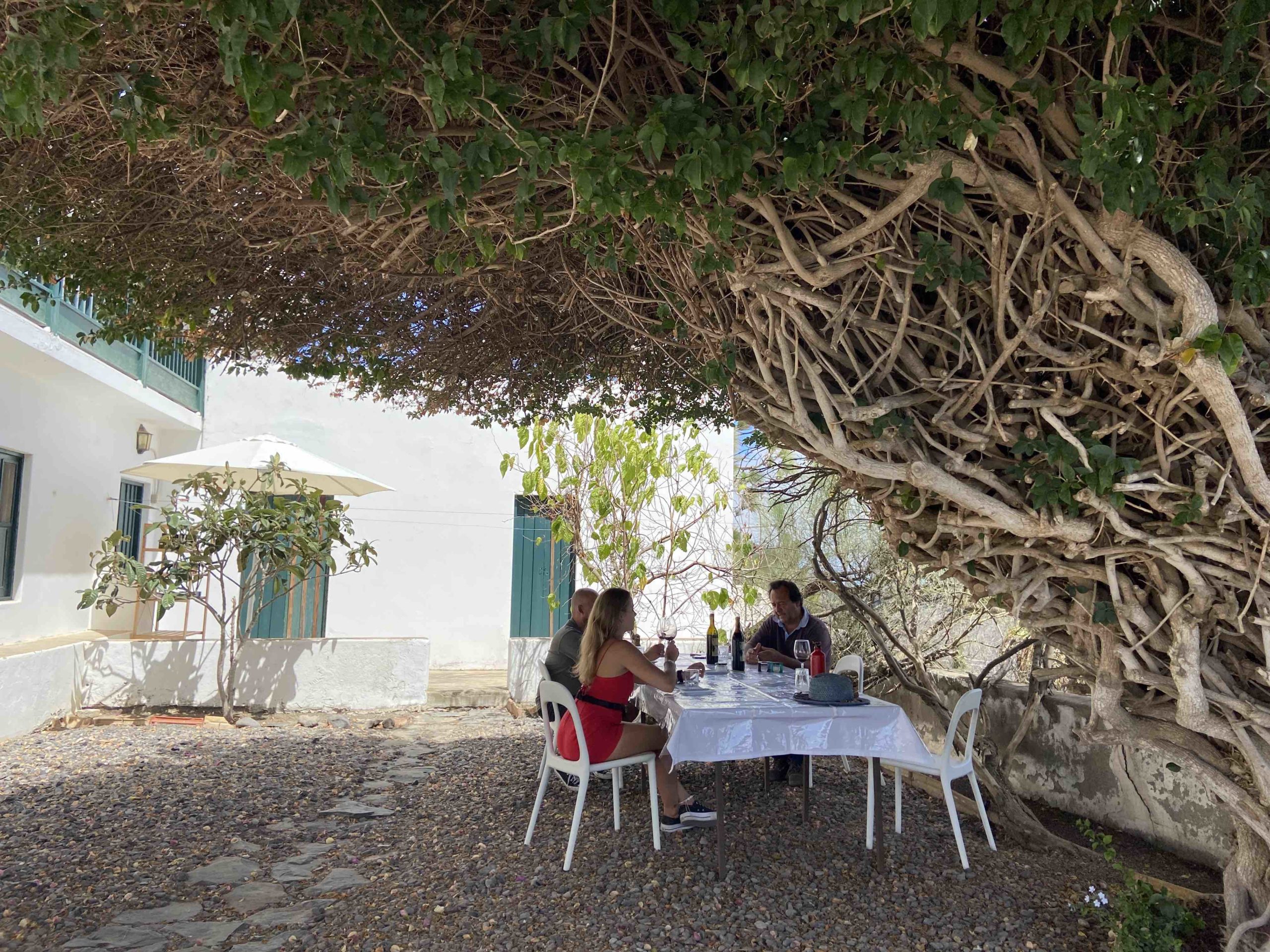
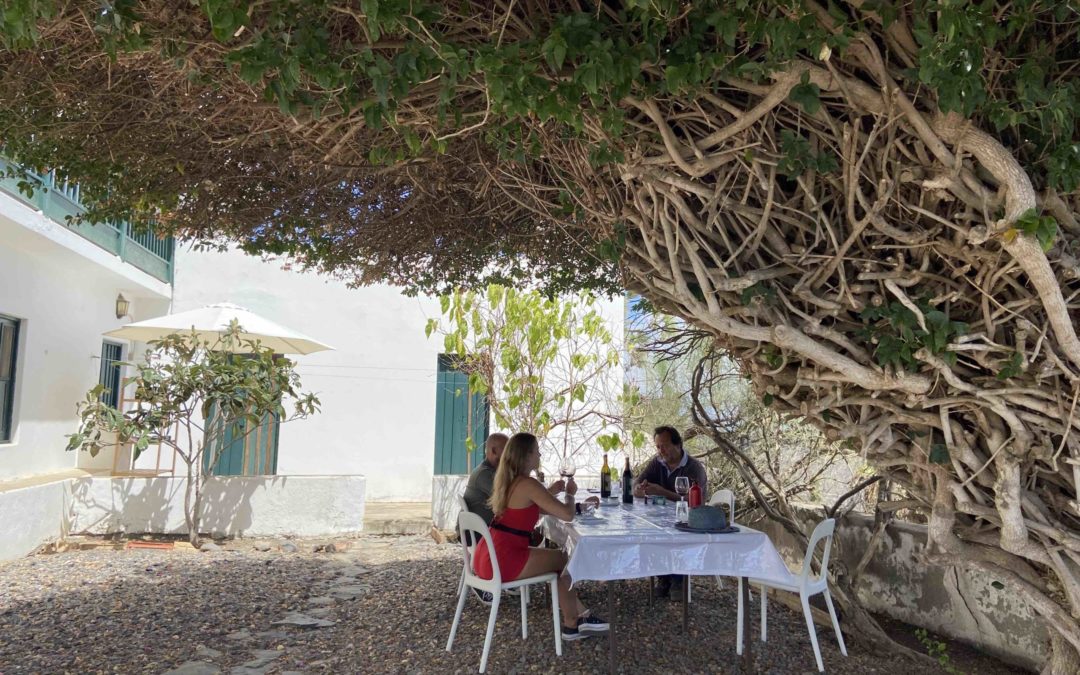
Would you like to discover Valleseco beyond the usual routes? At Handmade Tours, we organise private experiences in Valleseco combining local cider producers, local products, landscapes and the stories behind them, designed around the people and places that make this part of Gran Canaria unique.

Ask us to create your private Valleseco experience. 
Gran Canaria: The Perfect Place To Blend Golf Tours and Wine Tours!

Gran Canaria: The Perfect Place To Blend Golf Tours and Wine Tours!

Gran Canaria: The Perfect Place To Blend Golf Tours and Wine Tours!

Are you looking for the perfect getaway? Gran Canaria is the jewel in the crown of the Canary Islands, blending beautiful landscapes with a huge variety of outdoor activities. Golf is one of the most popular activities for locals and tourists alike, thanks to the wonderful range of courses on the island, each offering a unique challenge to beginners and experienced golfers alike. 

In this latest blog, we thought we would explore some of the world-class courses available as well as some of the other fun things to do in Gran Canaria when you’re not treading the fairway! 

Exploring a golfer’s paradise

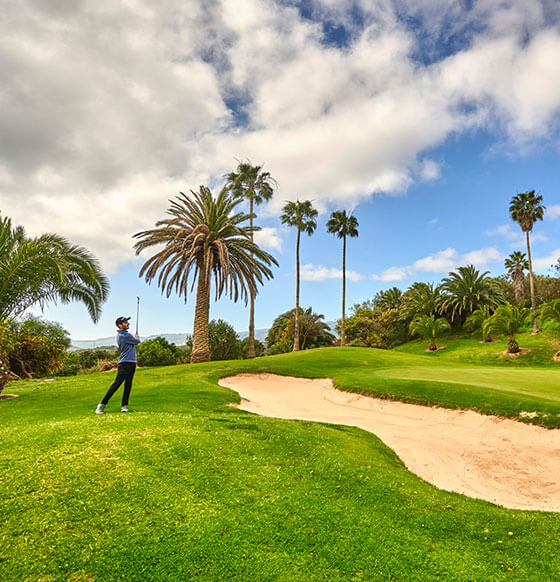
If you are a golfing fan, then Gran Canaria is a wonderful destination, no matter your skill level. The unique topography of the island, with its rolling hills and stunning coastline, makes for the perfect canvas for a golf course, with each club offering players a truly exclusive experience. 

There is a huge range of courses on offer, but some of our favorites include:

  1. Anfi Tauro

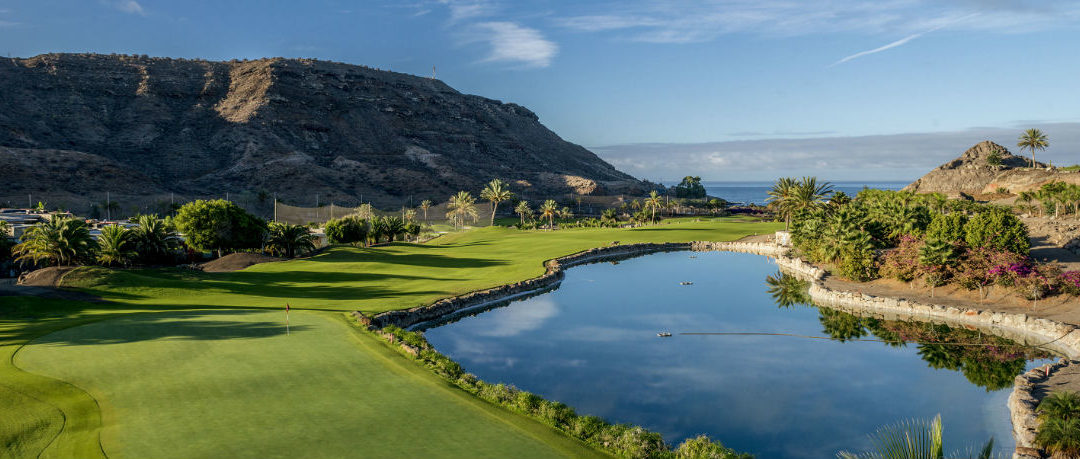
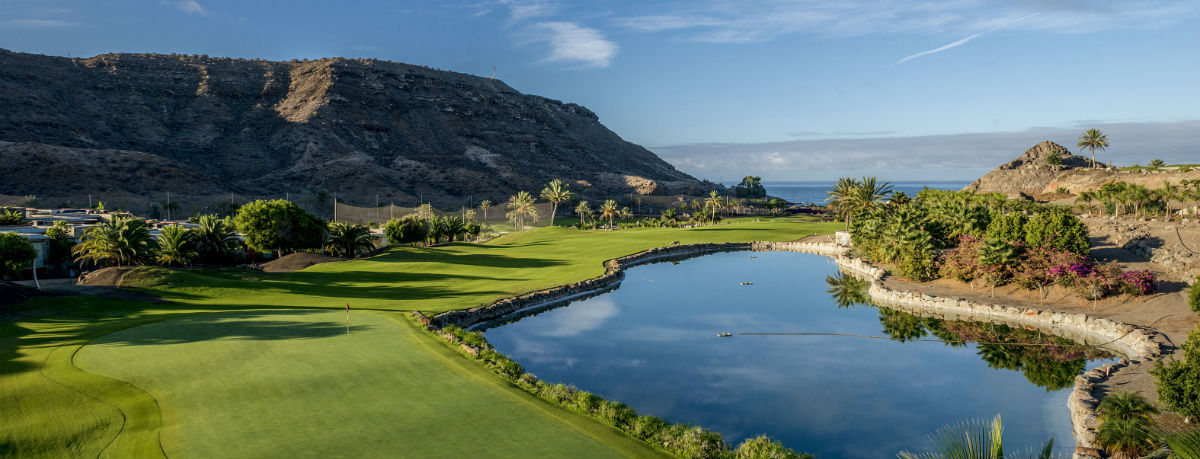
When it comes to Gran Canaria golf, the Anfi Tauro Golf and Luxury Resort is often one of the first to be named. Located in the heart of the island, this is a stunning course for those who love year-round golf and offers both a 9-hole and an 18-hole course. 

Designed by the renowned golf course architect Robert von Hague, Anfi Tauro is recognized as one of the world’s leaders, and it offers a truly picturesque landscape while playing. Both courses are surrounded by volcanic mountains and the Atlantic Ocean, ensuring a challenging and enjoyable round. 

2. Salobre

Another very popular option is the Salobre Golf and Resort complex. A fantastic choice for those looking for exciting outdoor activities in the southern part of the island, it offers two challenging 18-hole courses. 

The Old Course offers a desert-style layout, packed with cacti and unique plants while the New Course faces the Atlantic, providing breathtaking views on every hole. 

3. Real Club de Golf Las Palmas 

Founded back in 1891, the Real Club de Golf Las Palmas is the oldest golf clubs in the whole of Spain. Nestled within the Bandama Natural Monument, the course requires careful strokes to avoid the many plants and fauna that surround the narrow fairways.

The challenging terrain and the rich century make this a must-visit option for golf enthusiasts of all skill levels looking for challenging outdoor activities. 

4. Maspalomas 

Located in the southeast of the island, the Maspalomas course offers a unique Gran Canaria golf experience as golfers play around the sandy Maspalomas Dunes Nature Reserve. Offering spectacular views over the coastline, the Mackenzie Ross-designed course is a challenging but highly rewarding experience for players of all skill levels. 

The 18-hole course is flat and extensively laid out, but its long and broad fairways make for a wonderful day exploring this 73-par course. 

5. Meloneras 

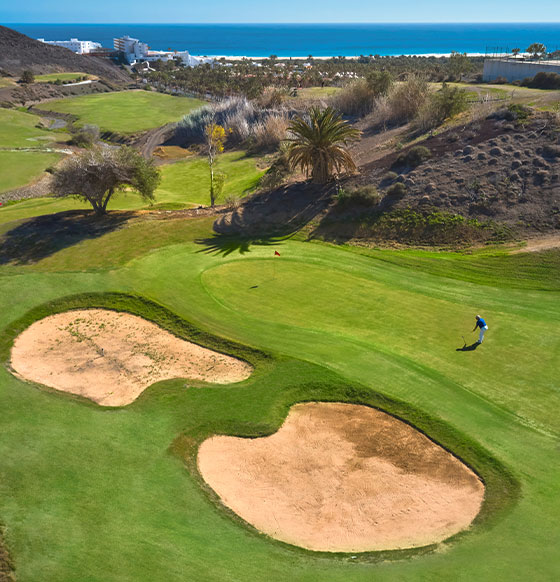
Finally, no Gran Canara golf list would be complete without mentioning the magnificent Meloneras Golf Course. This challenging 18-hole Championship course is based in the south of the island and provides nine holes of spectacular mountain views and nine holes of stunning beach and ocean views. 

If all of that wasn’t enough, players will also work their way through lakes and trees, making it one of the best options for golfers looking to play a little of everything Gran Canaria has to offer. 

Things to do in Gran Canaria beyond the fairway 

Of course, Gran Canaria offers far more than just world-leading golf courses! There is a huge choice of outdoor activities and trips that you can enjoy on the days you’re not exploring the fairways. The island’s diverse landscape makes it an ideal spot for those looking to explore the many hiking trails that span the island, while those looking to hit the water can enjoy windsurfing, scuba diving, and more. 

Yet, one of the best Gran Canaria trips you can do is explore one of the many superb vineyards and wineries that call the island home. The island has a long history of winemaking that dates all the way back to the 15th century, and thanks to its unique climate and volcanic soil, the grapes grown here are fantastic for producing delicious wine. 

After some adventurous excursions exploring all of the outdoor activities that Gran Canaria has to offer, a visit to a vineyard is the ultimate way to relax and enjoy time with your loved ones or friends. Here at Handmade Tours, we proudly offer a wide range of private wine tours, taking care of everything for you so you can sit back and discover the unique taste and stunning views.

Each of these private tours are created bespoke to you, allowing you to discover the allure and charm of the island. We are experts in Gran Canaria wine tourism, and our friendly and knowledgeable team are here to create a truly unforgettable and unique trip around these captivating vineyards and wineries. 


Our mission is to provide our wonderful guests with a gastronomical delight, combining delicious food with some of the finest Gran Canaria wine available. Whether you are looking to combine fun outdoor activities with beautiful landscapes or relax after a busy day exploring one of the incredible golf courses the region has to offer, our private wine tours are created around your interests. We break away from the rigidity of conventional tours, ensuring you will never feel rushed or stuck to strict time schedules!  

We love this island and are dedicated to giving visitors the very bet experiences possible. That is why we are proud to work with the finest local producers, enjoying strong relationships that ensures you will enjoy a truly unforgettable moment. We believe in sustainable tourism, which is why on our private 

Gran Canaria wine tours, you will always be visiting producers using 100% local products. 

golf and wine tasting experience in Gran Canaria with scenic course and volcanic landscape

Start your adventure today!! 

After a day on the golf course, there’s nothing better than enjoying a wine tasting in Gran Canaria. Combine sport, relaxation and local flavours in a unique experience that connects you with the island beyond the fairways.

If you are looking for things to do in Gran Canaria and want to combine your next golfing adventure with a visit to one of the many incredible vineyards to discover some truly stunning wine and food, then our team is here to help you! 

We pride ourselves on delivering the very finest private wine tours in Gran Canaria, so get in touch today to find out more! 

Related Articles

Related

Wine Tasting Gran Canaria: Everything You Need To Know!

Wine Tasting Gran Canaria: Everything You Need To Know!

Wine Tasting Gran Canaria: Everything You Need To Know!

When it comes to things to do in Gran Canaria, wine tasting and food tours are some of the most popular outdoor activities you can do. Sipping and swirling your way through vineyards is the ultimate way to experience the beauty of this stunning location.

While wine tasting might not be the first thing that comes to mind when you think of the Canary Islands, the region is home to some truly fantastic hidden gems. From the rugged landscapes to the lush green vineyards, Gran Canaria offers a unique and unforgettable experience for wine enthusiasts.

This island also has a long and fascinating history of winemaking, dating back to the 15th century, and today, it’s home to some of the most impressive vineyards in Spain. So, get ready to explore this wine region, taste the unique flavours of the local wines, and get lost in the stunning vineyards of Gran Canaria.

Join us as we journey through the wineries and vineyards of this beautiful island and discover why they should be on the bucket list for anyone looking to travel to Gran Canaria.

The History of Winemaking in Gran Canaria

The history of Canary wine dates back to around the 15th century when Spanish conquerors introduced grapevines to the island. The unique climate, with its hot and dry summers and mild winters, combined with the volcanic soil, provided the perfect conditions for growing grapes, and Gran Canaria wine quickly became a popular export. These traditions have been passed down from generation to generation, and today, it’s still a vital part of Gran Canaria’s cultural heritage.

In the 19th century, Europe was hit by a phylloxera epidemic that devastated the vineyards, and it wasn’t until the 20th century that the industry began to recover. However, due to its amazing volcanic soil, the Canary Islands never suffered phylloxera, allowing the region to grow an abundance of varieties that disappeared from Europe during the epidemic. 

That’s why Gran Canaria grows ungrafted vines across the island’s nearly 11,000 hectares of vineyards, with the wines produced here being known for their unique flavour and character.

Vineyards of Gran Canaria

A trip to one of the many vineyards is a worthy excursion for those looking for outdoor activities and things to do in Gran Canaria. These vineyards are scattered throughout the island, from the rugged mountains to the coastal regions, but the most famous wine, the Monte Lentiscal, comes from the Northeast of the island. This region is where you’ll find some of the very best vineyards and wineries, thanks to the varieties of grapes grown here, including Listan Negro, Tintilla, and Listán Blanco.

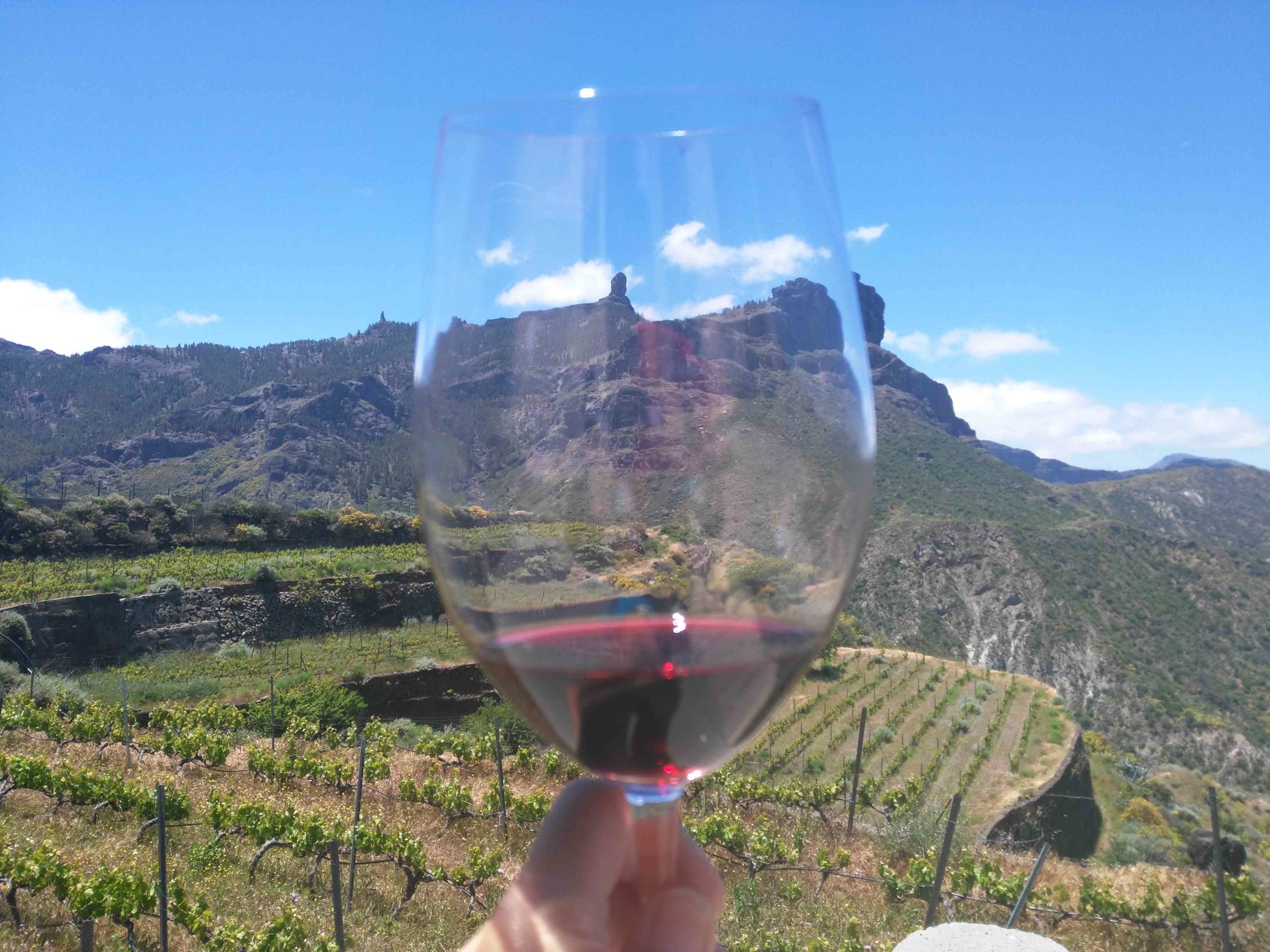
In the south of the island, you’ll find the region of Santa Lucía, known for its stunning landscapes and unique wine production. The vineyards here are planted on steep slopes, and the grapes are grown using traditional methods without the use of chemicals or pesticides. This region of old basalt terroir is known for its white wines in altitude, which have a distinct aroma and flavour.

Wine Tasting Experiences in Gran Canaria

One thing is for sure: a wine tour in Gran Canaria is a unique and unforgettable experience. The island’s wineries and vineyards offer a variety of trips and tastings, allowing you to learn all about the winemaking process and taste some of the delicious local Canary wines. Most wineries require reservations in advance, so be sure to book your tour ahead of time.

One of the most popular wineries in Gran Canaria is Bodega Las Tirajanas, located at around 1,000m above sea level. Alongside tasting the fantastic Canary wine, we love a visit to this vineyard as it offers spectacular views over the whole of the island.

Food Pairings with Gran Canarian Wines

Of course, every wine enthusiast knows that good wine requires good food. Thanks to their unique flavors and aromas, Gran Canaria wines pair well with a wide variety of foods. One of the most popular dishes is the local goat cheese, which has a tangy flavor that complements the wine’s acidity. Another popular pairing is the traditional Canarian dish of papas arrugadas, which are small, salted potatoes served with a spicy mojo sauce.

If you’re looking for a more formal dining experience, many of the island’s wineries offer food pairing menus, where you can taste a range of wines paired with local dishes. These menus are a great way to experience the unique flavors of Gran Canarian cuisine and wine.

Gran Canaria is a hidden gem in the world of wine tourism, offering stunning landscapes, unique wines, and a rich history of winemaking. Whether you’re a seasoned wine enthusiast or a casual drinker, a trip to the island is an unforgettable experience. So, if you are looking for things to do in Gran Canaria, be sure to visit some of the island’s top wineries, try the local food pairings, and take in the beauty of the vineyards – just make sure you book your tour in advance!

gay life and wine tasting experience in Gran Canaria with scenic course and volcanic landscape

Ready to Discover a new Side of Gran Canaria?

If you are looking for a more personal experience, discover our wine tasting experience in Gran Canaria and meet local winemakers in a unique setting.

Want to explore more? Download your free Wine tourism guide for Gran Canaria and discover local vineyards, traditions and hidden gems.

Related Articles

Related

Best weather in Gran Canaria for a wine tour

Best weather in Gran Canaria for a wine tour

Best weather in Gran Canaria for a wine tour

Gran Canaria weather is very popular for the amazing spring temperature the island has all year round. However, It’s very unknown for most people the varieties of climates all over the island. It’s hard to believe in such a territory you can be sunbathing while is snowing on the top of its mountains.  

Gran Canaria weather is very popular for the island’s amazing spring temperature all year round, making it a popular destination for a raft of outdoor activities. However, it’s also known for its unique microclimate, where it’s possible to be sunbathing in one region and snowing on the top of the mountains!

Talking about Gran Canaria’s weather is much like discussing our grape varieties or local wines. We have as many different temperatures and weather conditions as we do wines! Now that Autumn has arrived, most of Europe begins to get colder, but here on the islands, we remain above 20 degrees throughout the season. However, as you climb the mountains, the temperature dips and snow can be expected.

Experiencing the weather on a tour

Last January, my dear customers Hans and his lovely wife Esther, called me again for a private custom tour. From Playa del Inglés I drove them to Tejeda, we took the road from Mogán through La Presa de las niñas. The road is scary, super winding and gorgeous. If you are highsick I wouldn’t recommend it. My dearest clients are from Switzerland, but they do trust me when I tell them, it’s going to be cold. To be honest, you never know on the top of the island. Even the summit has south orientation and north. The mountains are high enough to get stuck at north of the island, leaving the south clear. However, that wasn’t the case. That day we got cold, foggy, a bit of sunny a load of rainbows. It was so much fun, and cold and intrepid. We visited a cave at 1300m above the ocean level, a cave winery, with the most stunning views of Tejeda crater. In such an altitude the grapes get very extreme temperatures, both summer and winter.

Last January, some dear customers of mine, Hans and his lovely wife Esther, called me for a private custom tour. From Playa del Inglés, I drove them to Tejeda; we took the road from Mogán through La Presa de las niñas. The road is scary, super winding, and utterly gorgeous, although if you suffer from altitude sickness, I wouldn’t recommend it! 

Hans and Esther are from Switzerland, and they have taken a few Gran Canaria trips with me before, so they trusted me when I said it was likely going to be cold. That’s not always the case, as the mountains are high enough for weather systems to get stuck at the north of the island, leaving the south clear. However, on this particular tour, that wasn’t the case, and the day we got was cold and foggy with glimpses of sunlight that created beautiful rainbows.

It was a day filled with fun, first visiting a cave winery that sits at 1,300m above sea level, offering delicious Canary wine and stunning views of Tejeda crater. At such an altitude, the grapes get very extreme temperatures, both summer and winter. To give you a quick idea, that day, we left Playa del Inglés with 21ºC to arrive in Tejeda with 6ºC – despite being only a one-hour driving distance!

The constantly changing scenery and amazing weather make outdoor activities a wonderful experience for holidaymakers looking for things to do in Gran Canaria. That day with my clients, we ended with a drive toward Las Palmas through San Mateo Village. Not only was it a beautiful way to end the day, but temperatures climbed back to 19ºC in the afternoon, making for a very pleasant finish.

Gran Canaria weather offers a real mix of hot and cold temperatures, which, when combined with the extreme altitude and volcanic soil, makes for some very special wines. Some of the vineyards in Gran Canaria are the highest in Spain, and it’s hard to beat the incredible views and delicious Canary wines!

This cave winery is one of our favorite locations for a wine tour in Gran Canaria. Facing south, it receives ten hours of light during the spring and summer months, while in the winter, it can drop to as low as zero degrees, making it a truly one-of-a-kind winery! 

Recommendation: where to stay in Gran Canaria

If you want to escape the colder autumn weather, the best places to stay in Gran Canaria are along the east and south coasts. This is where you’ll find the best weather, but if you want to experience everything the island has in store, a Gran Canaria wine tour will take you from slope to slope, revealing a diverse landscape.

If the stunning views and changing weather were not enough, you’ll also love our Canary wines and the experience of meeting our one-of-a-kind winemakers. The island truly is a hidden gem in the world of wine tourism, offering stunning landscapes, unique wines, and a rich history of winemaking. So, no matter whether you’re a seasoned wine enthusiast or a casual drinker, a trip to Gran Canaria is sure to be an unforgettable experience.


When looking for things to do in Gran Canaria, make sure you visit some of the island’s top wineries, try the local food pairings, and take in the beauty of the vineyards – just don’t forget to book your tours in advance to make the most of your experience.

weather in gran canaria and wine tasting experience in Gran Canaria with scenic course and volcanic landscape

Ready to uncork Gran Canaria?

Thanks to the island’s mild climate, enjoying a wine tasting in Gran Canaria is possible all year round. Whether in the north or the south, the weather creates perfect conditions to explore local vineyards and outdoor experiences.

Related Articles

Related

Wine Tasting Gran Canaria: Everything You Need To Know!

Wine tourism in Gran Canaria

Wine tourism in Gran Canaria

Welcome to the world of wine tourism, where sipping and swirling your way through vineyards is the ultimate way to experience the beauty of a destination. And when it comes to wine tourism, Gran Canaria might not be the first place that comes to mind, but believe us, this hidden gem in the Canary Islands is a wine lover’s paradise. From the rugged landscapes to the lush green vineyards, Gran Canaria offers a unique and unforgettable experience for wine enthusiasts. This island has a long and fascinating history of winemaking, dating back to the 15th century, and today, it’s home to some of the most impressive vineyards in Spain. So, get ready to explore this wine region, taste the unique flavors of the local wines, and get lost in the stunning vineyards of Gran Canaria. Join us as we take a journey through the wineries and vineyards of this beautiful island, and discover why Gran Canaria should be on every wine lover’s bucket list.

The History of Winemaking in Gran Canaria

Gran Canaria has a long and fascinating history of winemaking, dating back to the 15th century when the Spanish conquerors introduced grapevines to the island. The unique climate, with its hot and dry summers and mild winters, combined with the volcanic soil, creates the perfect conditions for growing grapes. The winemaking tradition on the island has been passed down from generation to generation, and today, it’s still a vital part of Gran Canaria’s cultural heritage.

In the 19th century, Europe was hit by a phylloxera epidemic that devastated the vineyards in the whole continent, and it wasn’t until the 20th century that the industry began to recover. Due to its amazing volcanic soil, the Canary Islands never suffered phyloxera. We grow  many varieties that disappears in Europe during the epidemic. That’s the reason why Gran Canaria grow ungrafted vines. This could help to understand the character of our Atlantic Ocean volcanic wines. There are around 11,000 hectares of vineyards on the island, and the wines produced here are known for their unique flavor and character. 

Vineyards of Gran Canaria

The vineyards of Gran Canaria are scattered throughout the island, from the rugged mountains to the coastal regions. The most famous wine region on the island is the Monte Lentiscal, located in the northeast of the island, where you’ll find some of the best vineyards and wineries. The region is home to several grape varieties, including Listan Negro, Tintilla, and Listán blanco, which are used to produce some of the island’s most famous wines.

In the south of the island, you’ll find the region of Santa Lucía, known for its stunning landscapes and unique wine production. The vineyards here are planted on steep slopes, and the grapes are grown using traditional methods, without the use of chemicals or pesticides. This region of old basalt terroir is known for its white wines in altitude, which has a distinct aroma and flavor.

Wine Tasting Experiences in Gran Canaria

Wine tasting in Gran Canaria is a unique and unforgettable experience. The island’s wineries and vineyards offer a variety of tours and tastings, where you can learn about the winemaking process and taste some of the local wines. Most wineries require reservations in advance, so be sure to book your tour ahead of time.

One of the most popular wineries in Gran Canaria is Bodega Las Tirajanas, located in the mountains of Gran Canaria above 1000m from sea level. The winery offers stunning views of the island and a range of wines to taste. 

Gran Canaria presents many microclimates, soil or altitude, giving as a results so many spectacular wines and overwhelming landscapes. Every vineyard is a different bottle of wine. 

Food Pairings with Gran Canarian Wines

Gran Canarian wines are known for their unique flavors and aromas, and they pair well with a variety of foods. One of the most popular dishes to pair with Gran Canarian wines is the local goat cheese, which has a tangy flavor that complements the wine’s acidity. Another popular pairing is the traditional Canarian dish of papas arrugadas, which are small, salted potatoes served with a spicy mojo sauce.

If you’re looking for a more formal dining experience, many of the island’s wineries offer food pairing menus, where you can taste a range of wines paired with local dishes. These menus are a great way to experience the unique flavors of Gran Canarian cuisine and wine.

Gran Canaria is a hidden gem in the world of wine tourism, offering stunning landscapes, unique wines, and a rich history of winemaking. Whether you’re a seasoned wine enthusiast or a casual drinker, a trip to Gran Canaria is sure to be an unforgettable experience. Be sure to visit some of the island’s top wineries, try the local food pairings, and take in the beauty of the vineyards. And don’t forget to book your tours in advance to make the most of your wine tourism experience in Gran Canaria and forget about everything else but enjoying your wine adventure.

Further info about our wine adventures

Handmade tours have been running wine and gastronomy trips since 2014. 

Check our amazing itineraries, and when you find your perfect wine match, contact us for further information. 

Now you know, Gran Canaria is also a destination to drink and eat until you have to go. 

Related Articles

Related

Book Now Book Now